
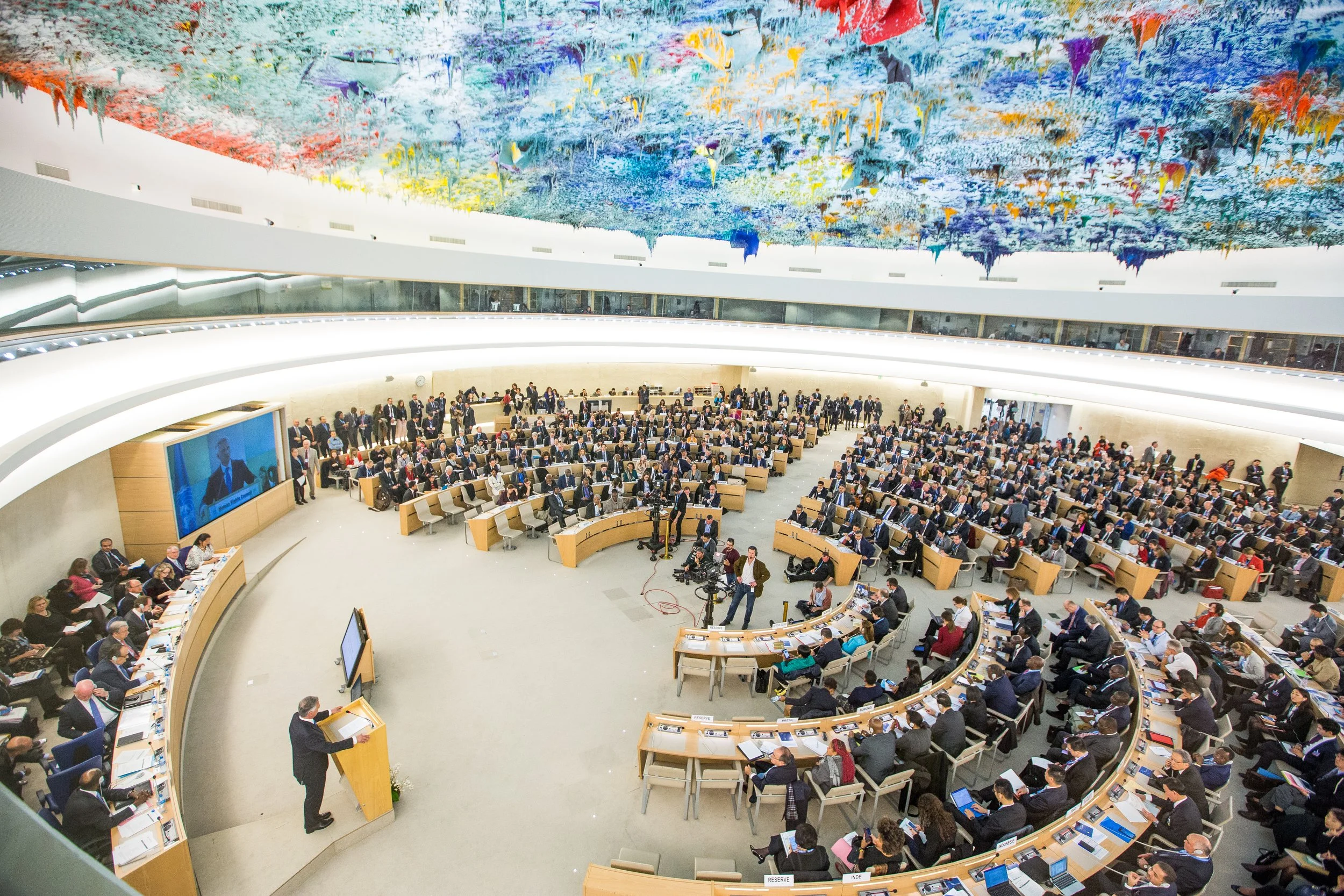
United Nations Human Rights Council
Topic A: Access to Education During Conflict and Displacement
Topic B: Reintegrating Displaced Students into Education Systems
Committee Background Guide
Topic Description
Since its establishment in 2006, the United Nations Human Rights Council has been tasked with promoting and protecting human rights across the globe. Yet in fragile and conflict-affected states, the right to education remains one of the first rights disrupted and one of the hardest to restore. Armed conflict, political instability, mass displacement, and the destruction of public infrastructure have forced millions of children and young people out of classrooms, leaving entire generations at risk of long-term social, economic, and political exclusion. As conflicts become increasingly protracted and displacement becomes less temporary, education can no longer be treated as a secondary humanitarian concern. It is vital to protection, recovery, and the preservation of human dignity.
This committee will task delegates with addressing the growing crisis of educational displacement in fragile and conflict-affected states. Delegates will consider how international actors can protect access to education during emergencies, support displaced students across borders, and ensure that refugee and internally displaced children are not excluded from national education systems. Additionally, questions surrounding documentation, language barriers, school recognition, gender-based exclusion, disability access, and the targeting of schools will be especially important to address.
Delegates will also examine the broader human rights implications of education loss in conflict settings. When children are removed from formal learning environments, they become more vulnerable to child labor, early marriage, recruitment by armed groups, trafficking, and long-term poverty. Addressing educational displacement thus requires more than rebuilding schools; it requires coordinated policies that connect humanitarian response, legal protection, psychosocial support, and sustainable development.
When tackling this issue, delegates must balance state sovereignty, international responsibility, and the urgent need to protect displaced children and youth. The committee will challenge delegates to build practical, rights-based solutions that preserve education not only as a service, but as a fundamental human right in times of crisis.
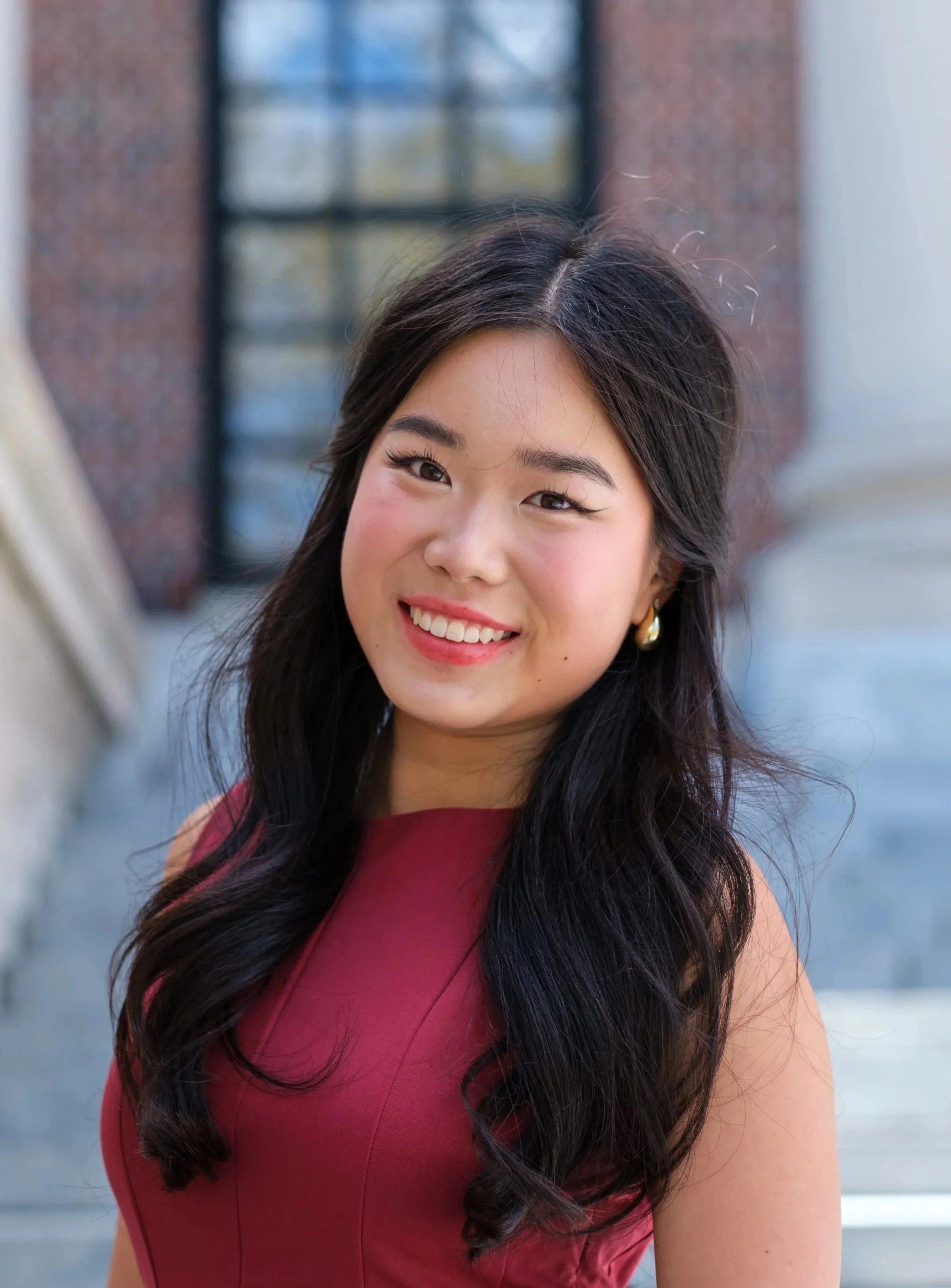
Director - Emily Chen
Emily Chen is a junior studying Neuroscience and Economics at Harvard, originally from Toronto, Canada. She first started doing MUN in grade 9, joining her high school’s club, and went on to compete and direct at conferences for all four years of high school.
At Harvard, she has continued her involvement in various MUN programs, joining the Intercollegiate Model UN (ICMUN) competitive MUN team in her first semester at the College, and staffing HMUN and HNMUN Boston 2025 as well as HMUN China 2025. She looks forward to serving as the Under-Secretary-General of Operations at HNMUN 2026, Director-General at HMUN China 2026, Secretary-General at the inaugural HMUN Canada 2026!
Outside of MUN, Emily is involved in various consulting clubs, the Harvard Undergraduate Clean Energy Group, and she is a tour guide on campus. In her spare time, she enjoys drawing, baking, running, hiking, and cafe hopping.
Questions about UNHRC? Email committees@hmundubai.org.